
A Checklist for Marketing Leaders
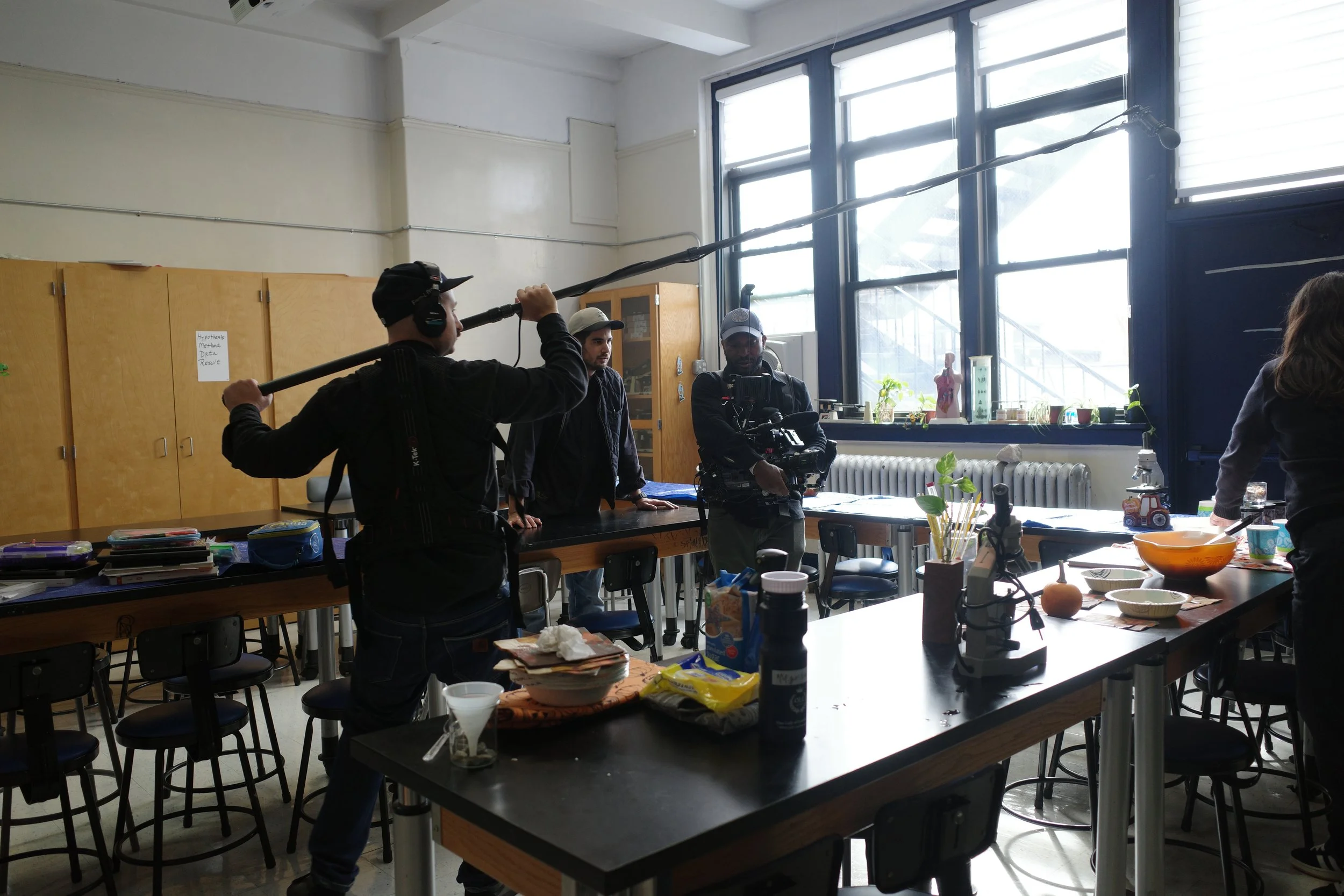
Films are powerful. But before you hit record, there's groundwork that makes the difference between a campaign that resonates and one that falls flat.
Over the years working with educational nonprofits and purpose-driven organizations, we've seen how the right preparation transforms video storytelling from "something we should probably do" into a strategic tool that drives real outcomes.
Here's what to consider before producing your next video campaign.
Is Video the Right Tool?
Clarifying the "Why"
The first question isn't about video at all—it's about alignment. Do you and your team agree on what you're trying to accomplish?
One person sees this as an awareness play. Another thinks it's about fundraising. Someone else wants to shift perceptions. Each valid on its own, but without alignment, you're setting up a production that tries to be everything and ends up being nothing.
Ask yourself:
Why are you considering video right now? What opportunity, challenge, or question are you trying to address?
What would success look like if this worked? (Not metrics yet, just outcomes)
Who is your audience? As the old maxim says, "When you try to reach everyone, you reach no one." Focus on one audience, what they care about, and what you can help them accomplish.
Stories & People
Strong storytelling starts with people, not scripts.
Who Might Appear on Camera?
Think about students, participants, staff and leadership, families. Consider how you might incentivize their participation.
Key questions:
Have these individuals shared their stories publicly before?
What support might they need to feel comfortable telling their story?
Many organizations find it helpful to have informal conversations with participants ahead of filming. These conversations aren't about performance—they're about comfort, clarity, and respect.
When people feel heard before the camera turns on, they show up differently on screen.
Capacity & Next Steps
Getting Practical
Video requires resources. Not just budget, but time and internal capacity to do it well.
Consider:
Do you have a specific timeline in mind or just an idea?
What resources could realistically support this work? (Time, budget, internal capacity)
What would an ideal collaborator look like, if you decided to move forward? (Values, communication style, experience)
Where Does Your Team Stand?
Be honest about where you are:
Ready to explore next steps
Needs more internal alignment
Parking this idea for later
All three are legitimate places to be, the key is knowing which one describes your situation right now.
Ready to Build a Strategic Campaign?
If you're looking to create content that honors your participants' dignity while driving meaningful engagement with donors and stakeholders, let's connect.